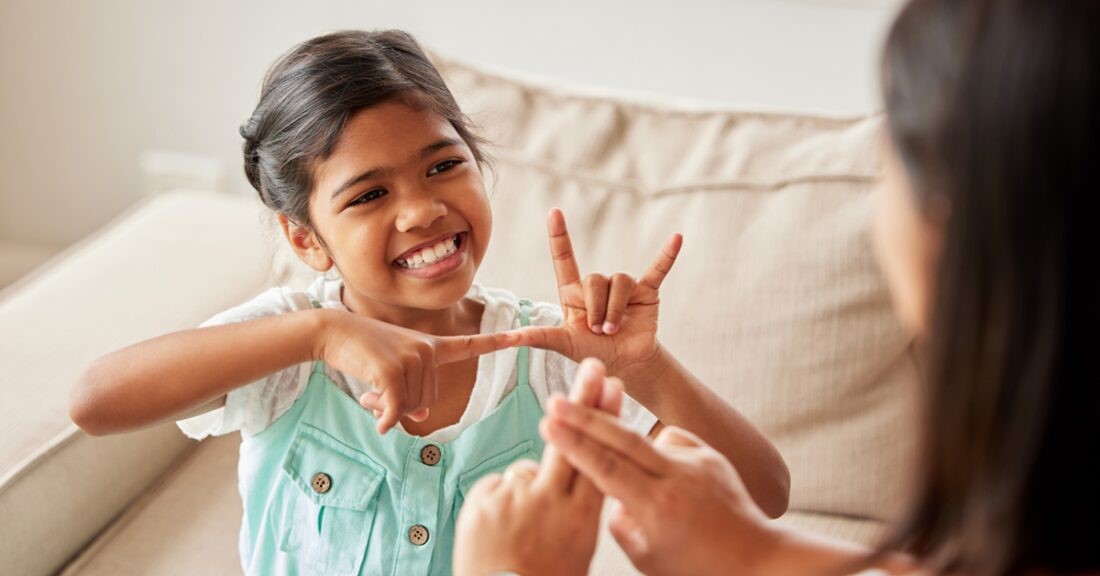
In a world that is becoming increasingly aware of the need for diversity and inclusion, one group that often requires special attention and care is individuals with special needs. For many, their experiences can be vastly different from those of the general population. However, as we work to understand and support them, it’s essential to move beyond sympathy and approach them with empathy, recognizing their unique capabilities and contributions.
The Initial Perception: Sympathy vs. Empathy
When I first began working with individuals who have special needs, my perspective was shaped by sympathy. I believed that people with disabilities required constant care and support, and my approach was to feel sorry for them, to show concern as one might for someone in need of help. I approached them with humility, thinking they needed to be “fixed” or constantly cared for.
However, as I spent more time interacting with individuals from diverse backgrounds and with different abilities—such as those who are deaf or hard of hearing, those with cerebral palsy, autism, ADHD, and other conditions—I quickly realized that my initial perception was incomplete.
The Realization: They Are Just Like Us
What became clear is that individuals with special needs share the same emotions, desires, and experiences as anyone else. Just like us, they laugh when they are happy, cry when they are sad, and express their joy and frustration in their own unique ways.
In fact, their emotions and desires to be understood, accepted, and included are universal. The key difference is the manner in which they express these feelings. For example, someone with autism may communicate differently than someone without, but the emotions and desires are still the same. Understanding this distinction shifted my focus from feeling sorry for them to truly empathizing with their experiences.
Empathy, Not Sympathy: The Need for Equal Opportunities
One of the most profound lessons I learned was that what people with special needs need is not sympathy, but empathy. They do not want to be pitied or treated as though they are less capable. Instead, they need opportunities—opportunities to participate, to contribute, and to flourish just like anyone else.
It became clear to me that they should not be seen as people who need to be “fixed” or constantly supported, but rather as individuals who possess immense potential and talent. They are equally deserving of respect, inclusion, and the chance to prove themselves in society. The only thing standing in their way is the lack of opportunities and, at times, the lack of understanding from those around them.
The Beauty of Their Unconditional Love
One of the most beautiful aspects of working with individuals with special needs is their capacity for love. Often, they demonstrate a level of unconditional love that is pure and selfless. They do not love with an agenda or expectation; their love is genuine and untainted. This quality serves as a powerful reminder for all of us to approach life with an open heart and to embrace others without judgment.
Creating an Inclusive World: It Starts with Us
As we continue to strive for a more inclusive world, it is crucial to remember that inclusivity is not just about creating special spaces or accommodations for people with special needs. It’s about creating a mindset of inclusion—one that extends beyond physical spaces like schools or workplaces and into our hearts and minds.
We must create environments where people with special needs can thrive—not just because we feel sorry for them, but because we recognize their intrinsic value as human beings with equal rights, capabilities, and potential. Empathy, understanding, and support are essential to fostering an environment where everyone has the opportunity to succeed.
Conclusion: A Call to Action
I encourage everyone to reflect on how we can contribute to creating an inclusive society—not just by changing policies or practices but by opening our hearts and embracing people with special needs in all areas of life. Let’s move away from the mindset of sympathy and replace it with empathy, offering opportunities for growth, understanding, and acceptance. When we do this, we create a space where everyone can flourish, regardless of their abilities.
Remember, we are all more alike than we are different. It’s time to build a world that reflects that truth.
Reena Rana
Special Educator